
5 Agribusiness Warehouse Packaging Challenges and How We Fix Them
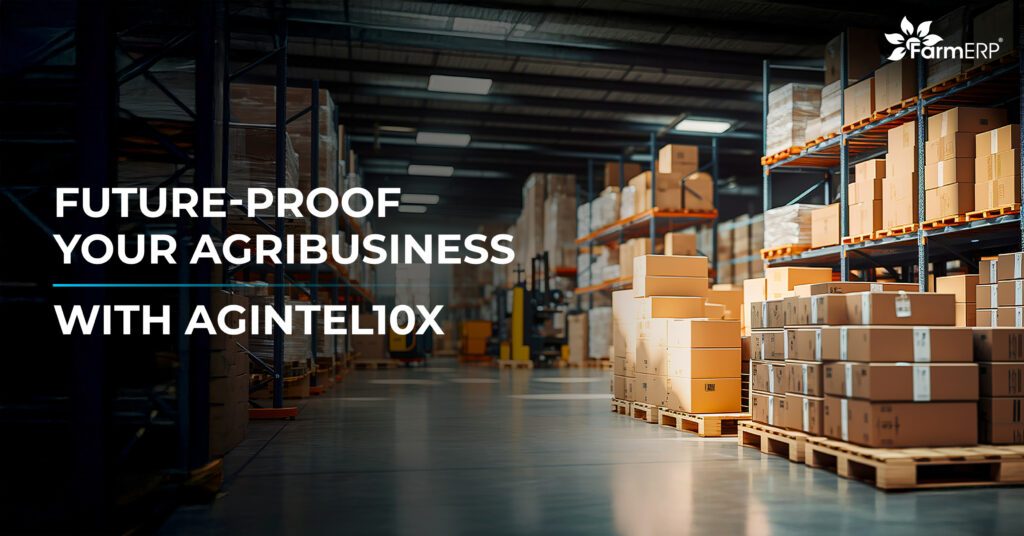
Did you know? Nearly 30% of food grains are wasted due to insufficient storage in unoptimized Indian agribusinesses, according to CARE Ratings. In addition, perishable goods are particularly vulnerable, with losses ranging from 5-13% for fruits and vegetables and 3-7% for crops like oilseeds and spices.
Ergo, it is crucial to understand that in modern agribusiness, production does not end at harvest. It extends into packaging, storage, and distribution. Yet, despite its non-trifling relevance, this step is often riddled with inefficiencies, outdated practices, and hurdles that may even transpire into logistical nightmares.
Let’s cut the clutter and explore the top five warehouse packaging challenges that agribusinesses face, along with FarmERP’s practical solutions.
1. Inconsistent Packaging Standards
The Challenge:
Agribusinesses often handle a wide variety of crops, each with its own packaging needs. Without standardised processes across products, inconsistencies can lead to increased damage during transport and difficulties in meeting compliance requirements.
The Solution:
With FarmERP’s Inventory and Post-Harvest Management tools, businesses can implement consistent packaging protocols. Customisable templates make it easy to standardise labelling, sizing, and packaging materials while accommodating both local and international regulations.
2. Post-Harvest Losses from Poor Storage Conditions
The Challenge:
Improper storage conditions, such as uncontrolled temperature or humidity, often result in post-harvest losses, especially for perishable produce. This affects both quality and shelf life.
The Solution:
FarmERP integrates IoT sensors to enable real-time monitoring of warehouse environments. With accurate data on storage conditions, businesses can prevent spoilage and maintain the quality of stored goods more effectively.
3. Shortfalls of Manual Processing
The Challenge:
Many agri-warehouses still rely heavily on manual labour for essential tasks such as weighing, labelling, and dispatch. This dependence often leads to siloed data, slower turnaround times, and inconsistent record-keeping. It also increases the risk of human errors, which can disrupt inventory accuracy, delay shipments, and drive up operational costs.
The Solution:
FarmERP helps automate routine packaging operations through features such as barcode integration and workflow digitisation. This reduces manual errors, streamlines data management, and improves accuracy, allowing teams to focus on more strategic and revenue-driving activities.
4. Limited Traceability During Packaging
The Challenge:
Today’s consumers and regulators expect clear traceability from farm to market. Without a connected system, tracking each item’s origin, packaging details, and journey through the supply chain becomes complex and inefficient.
The Solution:
FarmERP connects production, packaging, and distribution data within a single platform. This enables full traceability and gives stakeholders instant access to a product’s history, improving transparency, trust, and regulatory compliance.
Learn more about our module Exports10X
5. Poor Inventory and Dispatch Coordination
The Challenge:
When packaging activities are not aligned with inventory planning and dispatch schedules, businesses may face overstocking, delays, or missed delivery windows.
The Solution:
FarmERP’s intelligent inventory dashboard helps align packaging with real-time demand. It offers scheduling recommendations, supports FIFO-based planning, and ensures smoother coordination between packaging and logistics teams.
Quick Summary- Warehouse Packaging Challenges and Fixes
| Challenge | FarmERP-Powered Solution |
| Inconsistent packaging standards | Standardised templates and protocols |
| Post-harvest losses | Real-time warehouse condition monitoring |
| Manual errors | Barcode integration and automation |
| Lack of traceability | Unified farm-to-fork tracking system |
| Inventory bottlenecks | Smart inventory and dispatch planning |
What FarmERP Brings to the Table
FarmERP is built to solve big operational challenges, but its impact does not stop there. Even when there is no immediate problem to fix, the platform offers tools that make daily operations faster, simpler, and more connected.
- Better Decisions, Backed by Data: Real-time, centralised information gives managers a clear picture of what is happening across the business so they can plan with confidence.
- Easier Compliance: Digital records and automated reporting help meet export, safety, and sustainability requirements without the usual paperwork stress.
- Works Well with What You Already Use: FarmERP integrates with IoT devices, accounting systems, and logistics software so operations flow without disruption.
- Ready to Grow with You: From a single facility to multiple sites across regions, FarmERP adapts to changing business needs.
- Smarter Resource Use: Built-in analytics highlight where you can save on inputs, reduce waste, and improve environmental performance.
These strengths, combined with its core warehouse packaging solutions, make FarmERP not just a problem-solver but a long-term partner for growth
Conclusion
Warehouse packaging often goes unnoticed, yet it plays a vital role in protecting product quality, improving profitability, and enhancing customer satisfaction. By tackling these five common challenges, agri-enterprises can create post-harvest operations that are more efficient, dependable, and sustainable.
Solutions like FarmERP are doing more than just introducing digital tools. They are reshaping how agribusinesses approach every stage of the value chain, including the critical process of warehouse packaging.
Now is the time to streamline your warehouse operations with FarmERP and turn packaging into a strategic advantage.